
Millions of people have eye conditions that interfere with their daily lives. Fortunately, ophthalmology professionals are finding new ways to address different vision needs using modern technology.
Nowadays, several advanced procedures are available to correct refractive errors such as myopia, astigmatism, or hypermetropia, offering an alternative to glasses or contact lenses.
Options like LASIK, PRK, SMILE, or implantable lenses are procedures that can help you improve your vision under the guidance of an experienced ophthalmologist Tijuana. Therefore, to ensure you make an informed decision, today’s article explains the most common types of laser eye surgery and how specialists determine which one is right for you.
If you are interested in this topic, we invite you to keep reading the information we prepared specially for you.
What is laser eye surgery?
Laser eye surgery is a type of refractive surgery that reshapes the cornea to improve the way light focuses on the retina. By correcting refractive errors, as we mentioned before, this procedure can significantly reduce or even eliminate the need for glasses, allowing patients to regain their independence and enjoy clearer vision.
Although laser eye surgery is often associated with LASIK, it actually includes several procedures that use different surgical techniques to achieve similar goals. Each option offers distinct advantages depending on the patient’s eye anatomy, prescription, and visual expectations.
It is important to note that laser eye surgery is different from cataract surgery Tijuana. While both can improve vision, cataract surgery replaces the eye’s natural lens, whereas laser vision correction reshapes the cornea without removing the natural lens.
Which vision problems can laser eye surgery correct?
The type of refractive errors causing your visual problems, along with your eye measurement and overall ocular health, helps determine which procedure may provide the best results. These are some of the main conditions that laser surgery can correct:
Myopia
Myopia, or nearsightedness, occurs when distant objects appear blurry because light focuses in front of the retina instead of directly on it. This typically happens when the cornea is too curved, or the eye is longer than normal. Laser eye surgery reshapes the cornea to move the focal point onto the retina, allowing clearer distance vision.
Hyperopia
Unlike myopia, hyperopia, also known as farsightedness, affects the eye’s ability to focus on nearby objects. This usually occurs when the cornea is flatter or the eyeball is shorter, changing the area of focus behind the retina. The surgical procedure allows reshaping the cornea to redirect the light, improving the vision at near distances.
Astigmatism
Astigmatism develops when the cornea or natural lens has an irregular shape, causing light to focus unevenly inside the eye. This often results in blurred or distorted vision at multiple distances. Modern laser procedures can correct many types of astigmatism by creating a more symmetrical corneal surface, leading to sharper and more consistent vision.
Mixed astigmatism
Mixed astigmatism is a more complex refractive error in which one part of the eye focuses light in front of the retina while another focuses it behind. As a result, patients may experience blurry vision at both near and far distances.
Depending on the severity of the condition and the eye’s anatomy, several laser correction procedures may help improve visual clarity.
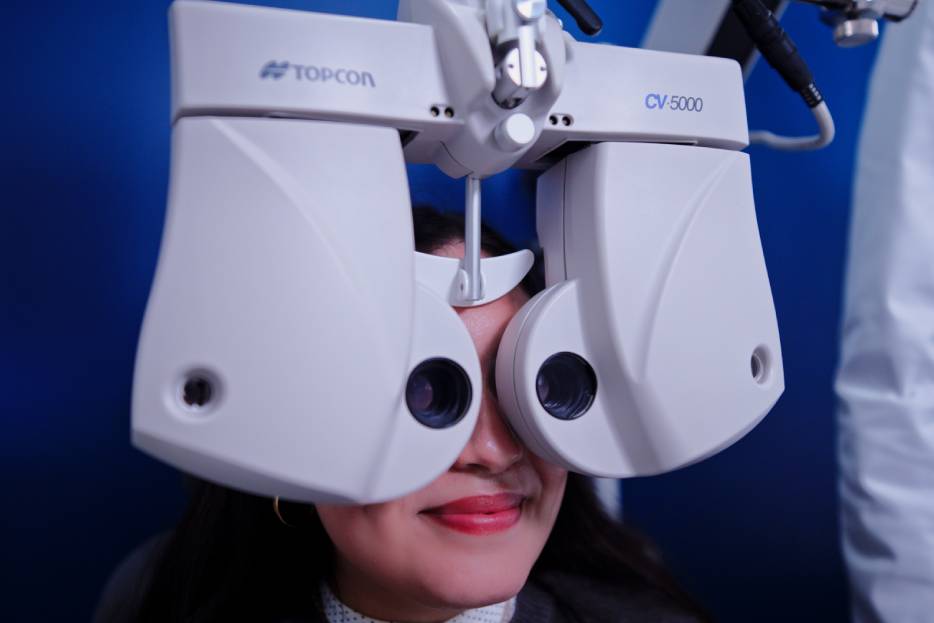
Main types of laser eye surgery
Advances in refractive surgery have made it possible to customize treatment according to each patient’s unique eye characteristics. While all procedures aim to improve vision, they differ in surgical technique, recovery time, and the types of patients they are best suited for.
LASIK
LASIK (Laser-Assisted In Situ Keratomileusis) is the most widely known laser vision correction procedure. With this technique, the ophthalmologist creates a thin flap in the cornea, reshapes the underlying tissue with an excimer laser, and then repositions the flap.
It is a popular procedure because it offers rapid visual recovery and minimal postoperative discomfort. Many patients notice improved vision within the first 24 hours and return to their daily activities shortly afterwards.
LASIK may be recommended for patients who:
- Have healthy corneas with sufficient thickness
- Want fast visual recovery
- Do not have significant dry eye disease
PRK
Photorefractive Keratoctomy (PRK) was one of the first laser vision correction procedures and remains an excellent option for many patients today. Instead of creating a corneal flap, the outer layer of the cornea is gently removed before reshaping the underlying tissue.
Although recovery takes longer than LASIK, PRK is often recommended for patients with thinner corneas or those whose occupations or sports increase the risk of eye trauma.
PRK may be suitable for patients who:
- Have mild to moderate refractive errors
- Are not ideal LASIK candidates
SMILE
SMILE (Small Incision Lenticule Extraction) is a minimally invasive procedure that corrects refractive errors through an incision. Like PRK, this technique does not require creating a flap; the surgeon removes the lenticule with a small incision using a femtosecond laser.
Because less of the corneal surface is affected, SMILE may help preserve corneal stability and reduce postoperative dry eye symptoms in selected patients.
SMILE may be appropriate for patients who:
- Have myopia with or without astigmatism
- Prefer a flap-free procedure
- Want a minimally invasive treatment
ICL
Implantable Collamer lens (ICL) surgery differs from traditional laser eye surgery because it does not reshape the cornea. With this procedure, the ophthalmologist implants a biocompatible lens inside the eye, which works alongside the natural lens to correct refractive errors.
ICL may be considered for patients who:
- Have severe myopia
- Have thin or irregular corneas
- Are not eligible for LASIK or PRK
- Prefer a reversible vision correction option
Femtolasik
FemtoLASIK is an advanced variation of LASIK in which a femtosecond laser is used to create the corneal flap instead of a mechanical blade. This technology improves precision during the initial step of the procedure while maintaining the same basic treatment approach.
Many ophthalmologists Tijuana prefer FemtoLASIK because it offers highly accurate flap creation and allows greater customization based on each patient’s corneal anatomy.
FemtoLASIK offers advantages such as:
- Blade-free flap creation
- High surgical precision
- Fast visual recovery
- Customized treatment planning
How do ophthalmologists decide which procedure is right for you?
To find the best laser eye procedure for you, it is essential to consider factors such as your prescription, corneal anatomy, eye health, age, and visual goals. Ophthalmologists must perform a comprehensive evaluation before recommending the best treatment for your case to ensure a safe, effective, and long-term visual outcome.
Eye prescription
Your prescription is one of the first factors considered during your evaluation. The degree of myopia, hyperopia, or astigmatism helps determine whether laser vision correction is appropriate and which procedure can achieve the most predictable results.
Patients with mild to moderate refractive errors often have several treatment options, while those with very high prescriptions may benefit from alternatives such as ICL surgery. A stable prescription is also essential, as significant changes in vision over time may affect the long-term success of the procedure.
Corneal thickness
Corneal thickness plays a critical role in determining candidacy for laser eye surgery. Since procedures such as LASIK and PRK reshape the cornea, there must be enough healthy tissue to safely perform the correction while preserving the structural integrity of the eye.
Patients with thinner corneas may still be candidates for certain procedures, but additional testing is needed to identify the safest option.
Corneal shape
The shape and curvature of the cornea are just as important as its thickness. Even subtle irregularities can influence how the laser treatment is planned or whether another procedure would provide better results.
Your ophthalmologist has to carefully evaluate the cornea to identify conditions that could affect surgical outcomes, such as:
- Irregular astigmatism
- Early signs of keratoconus
- Corneal asymmetry
- Previous corneal surgery or injury
Dry eye
Dry eye disease is a common condition that can affect both candidacy and recovery after laser eye surgery. Some procedures may temporarily increase dry eye symptoms during the healing process, making a thorough evaluation of the tear film an important part of surgical planning.
If dry eye is present, your ophthalmologist may recommend treating the condition before proceeding with surgery to improve comfort, healing, and visual quality.
Lifestyle, age, occupation
Your daily activities, profession, hobbies, and long-term visual expectations influence the decision to choose the right procedure. The surgeon needs to understand factors in your lifestyle such as the following, to consider the best personalized treatment plan that aligns with your visual needs:
- Whether you participate in contact sports
- If your job requires excellent night vision
- Your reliance on computers or digital devices
- Your age and the natural changes associated with presbyopia
- Whether you prioritize reading vision, distance vision, or reduced dependence on glasses
Overall eye health
It is also important to evaluate your eye health to confirm you are free from conditions that could cause complications and affect healing after your surgery. Therefore, your ophthalmologists will need to assess both the front and back of the eye to identify any diseases that require treatment.
Some conditions that may influence candidacy include:
- Cataracts
- Glaucoma
- Retinal diseases
- Keratoconus
- Severe dry eye syndrome
- Corneal scarring
- Uncontrolled diabetes affecting the eyes
Having one of these conditions does not always rule out vision correction surgery, but it may change the recommended treatment approach.
Tests needed before laser eye surgery
To know your overall health and determine whether laser eye surgery is safe for you, some of the following tests will be part of a detailed diagnostic evaluation:
- Comprehensive eye exam
- Corneal topography
- Tomography
- Pachymetry
- Wavefront analysis
- Tear film evaluation
- Pupil measurement
- Prescription stability
These diagnostic tests will provide a complete understanding of your eye anatomy and help your ophthalmology specialists perform an effective correction surgery.
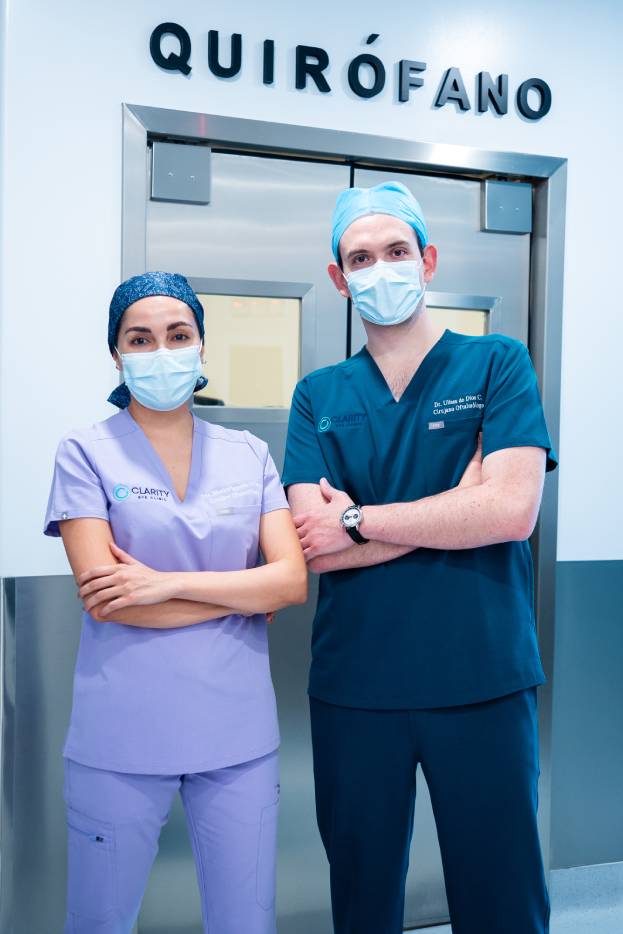
Benefits of laser eye surgery
Laser eye surgery is known for the many benefits it provides to patients with refractive error conditions. While individual results may vary, this procedure offers long-lasting improvements that allow you to perform everyday tasks with greater convenience and confidence.
Reduced dependence on glasses
One of the primary reasons patients choose laser vision correction is to reduce their dependence on glasses or contact lenses. Many people are able to perform everyday activities such as driving, exercising, reading signs, or traveling with little or no need for corrective eyewear.
Fast recovery
Most modern laser eye surgery procedures involve relatively short recovery periods. Many patients notice improved vision within the first 24 to 48 hours, although complete visual stabilization may take longer depending on the procedure performed and individual healing.
Long-term correction
Once the cornea has healed, the changes made during surgery are permanent; therefore, many patients experience years of improved eyesight and reduced need for glasses. However, it is important to know that natural age-related changes in vision can develop later in life, such as presbyopia or cataracts.
Frequently asked questions about laser eye surgery
What is the best type of laser eye surgery?
There is no single procedure that is considered the best for every patient, as the ideal type of laser eye surgery depends on several individual factors. For a safe procedure and a better approach, you have to seek ophthalmology guidance and a comprehensive eye examination beforehand.
What age is the best for laser eye surgery?
Most ophthalmologists recommend laser eye surgery for adults whose vision prescription has remained stable for at least one year. While many patients undergo treatment in their 20s or 30s, eligibility depends more on the stability of your prescription and the health of your eyes than your age alone.
Is laser eye surgery 100% successful?
Laser eye surgery has a high success rate, and most patients achieve significantly improved vision after the procedure. However, no surgical treatment can guarantee perfect results for every individual. Your ophthalmologist will discuss realistic expectations based on your individual evaluation.
Who should not get laser eye surgery?
Laser eye surgery may not be recommended for people who have:
- An unstable vision prescription
- Keratoconus or other corneal disorders
- Advanced cataracts
- Severe dry eye disease
- Uncontrolled glaucoma
- Certain retinal diseases
- Active eye infections or inflammation
- Pregnancy or breastfeeding, due to temporary hormonal changes that may affect vision
Is laser eye surgery permanent?
Laser eye procedures permanently reshape the cornea to correct refractive errors, so the structural changes made during the surgery do not reverse over time. However, while many patients enjoy years of reduced dependence on glasses or contact lenses, regular eye examinations remain essential for maintaining long-term eye health.