
Cataracts are one of the leading causes of vision changes worldwide, yet their beginning is often so gradual that many people don’t notice the early warning signs. This condition occurs when the natural lens of the eye becomes cloudy, affecting how light passes through and leading to subtle but progressive vision problems.
In the early stages, cataracts may present as mild visual disturbances that are easy to dismiss. Because these changes can overlap with normal aging or minor vision issues, they are frequently ignored. Understanding what to look for can help you take action sooner, including scheduling an appointment with an ophthalmologist in Tijuana and exploring appropriate treatment options.
What are cataracts, and why does early detection matter?
Cataracts occur when the eye’s natural lens becomes progressively cloudy, preventing light from passing clearly to the retina. This clouding is typically associated with aging, but it can also be influenced by factors such as diabetes, prolonged sun exposure, smoking, or certain medications. As the lens loses its transparency, vision becomes dim, blurred, or distorted.
How do cataracts develop?
The lens of the eye is made mostly of water and proteins arranged in a precise way to keep vision clear. Over time, these proteins begin to break down and clump together, creating cloudy areas that interfere with how light is transmitted.
Early on, the cloudiness may affect only a small part of the lens, which is why symptoms can seem minor or inconsistent. However, as the cataract grows, it can impact a larger portion of your vision, making everyday activities like reading or driving more difficult.
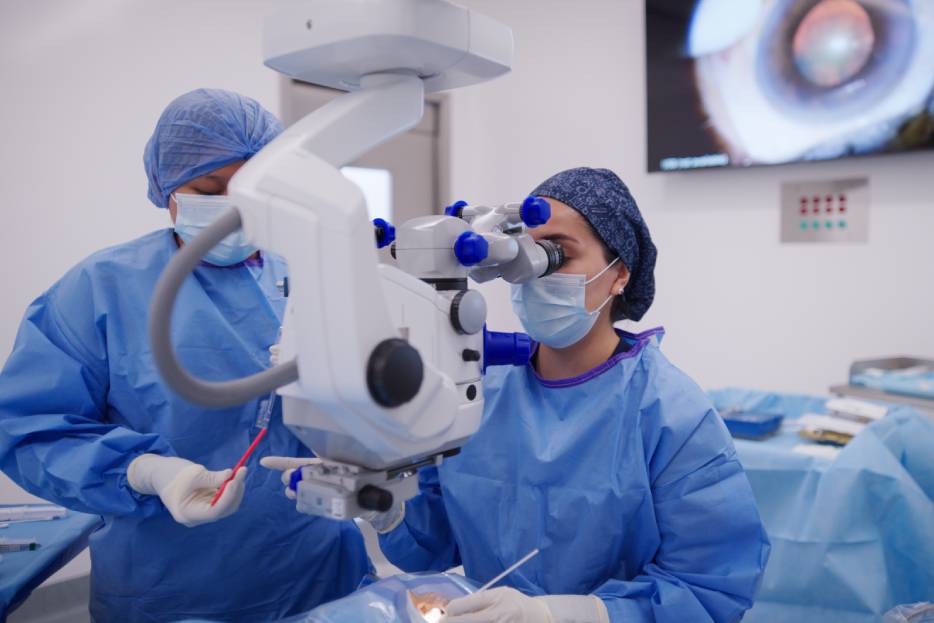
Why is early detection essential?
Identifying cataracts in their early stages allows you to take proactive steps to protect your vision. Regular eye exams with a local ophthalmologist or vision clinic can detect subtle changes before they significantly impact your daily life.
Early diagnosis also opens the door to non-surgical solutions, such as updated prescriptions, improved lighting, or lifestyle adjustments that can help manage symptoms.
From a practical standpoint, accessing eye care services near you makes it easier to monitor progression and determine the right time for treatment. Prioritizing routine checkups not only supports long-term eye health but also ensures that if surgery becomes necessary, it can be planned at the optimal moment for the best possible outcome.
Most common early symptoms of cataracts
In the early stages, cataracts don’t usually cause sudden vision loss; instead, they show up as subtle changes that can easily be mistaken for normal aging or eye fatigue. The key to early detection is recognizing patterns in how your vision is changing over time. If you notice persistent or worsening symptoms, it may be time to consult an ophthalmologist in Tijuana or schedule an eye exam near you.
1.- Blurry or cloudy vision
One of the earliest and most common signs is vision that appears slightly blurred, hazy, or “foggy,” as if you’re looking through a dirty window. This can affect one or both eyes and may not improve with glasses.
2.- Increased sensitivity to light and glare
Bright lights may start to feel uncomfortable or overwhelming. Glare can make it harder to see clearly, particularly when driving during the day or at night.
3.- Difficulty seeing at night
Night vision often worsens early on. You may find it harder to distinguish objects in low-light environments or feel less confident driving after dark due to reduced clarity.
4.- Fading or yellowing of colors
Colors may begin to look duller or slightly yellowed. Whites can appear less bright, and distinguishing between similar shades becomes more difficult over time.
5.- Frequent changes in eyeglass prescription
If you find yourself needing new glasses more often than usual, it could be a sign that your vision is changing due to lens clouding rather than standard refractive errors.
6.- Seeing halos around lights
You might notice rings or halos forming around light sources, especially at night. This symptom can interfere with activities like driving and is often overlooked in the early stages.
If you’re experiencing one or more of these symptoms consistently, searching for an “eye exam near me” or visiting a trusted ophthalmologist in your area can help confirm whether cataracts are the cause.
Who is most at risk of developing cataracts?
While cataracts are commonly associated with aging, several factors can increase your risk of developing them earlier or accelerate their progression. Understanding these risk factors is essential not only for prevention but also for knowing when to prioritize regular eye exams and early screening.
- Age-related risk: The most significant risk factor is age. Cataracts typically begin to form after the age of 40, although symptoms may not become noticeable until later.
- Diabetes and chronic conditions: People with diabetes are at a higher risk of developing cataracts at a younger age. Elevated blood sugar levels can affect the eye’s lens, speeding up the clouding process.
- Smoking and alcohol consumption: Smoking introduces harmful chemicals that accelerate oxidative stress in the eye, increasing the likelihood of cataract formation. Excessive alcohol consumption has also been linked to a higher risk, particularly when combined with other lifestyle factors.
- Prolonged sun exposure (UV radiation): Extended exposure to ultraviolet (UV) rays can damage the proteins in the lens over time. Wearing sunglasses with UV protection is a simple but effective preventive measure.
- Long-term use of certain medications: Prolonged use of corticosteroids has been associated with an increased risk of cataracts.
- Previous eye injuries or surgeries: Trauma to the eye or prior surgical procedures can lead to what’s known as secondary cataracts. These may develop more quickly than age-related cataracts and require closer monitoring.
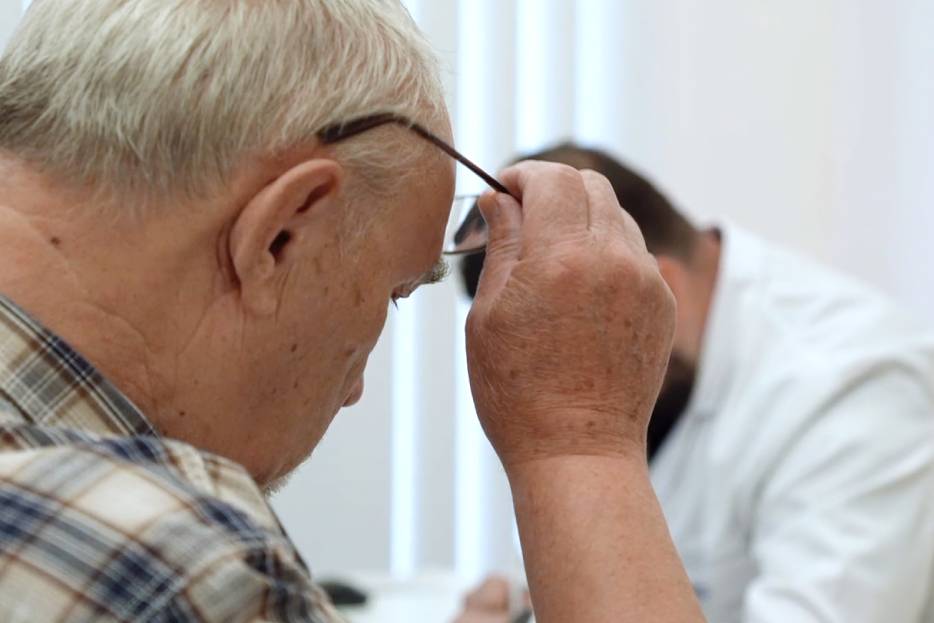
FAQ’s about cataracts
Can cataracts develop quickly?
In most cases, cataracts develop slowly over time, often taking years before significantly affecting vision. However, certain types of cataracts can progress more rapidly. This is why regular eye exams are important, even if symptoms seem mild.
Are early cataracts reversible?
No, cataracts cannot be reversed once they begin forming. However, in the early stages, symptoms can often be managed with updated glasses, better lighting, and lifestyle adjustments. Surgery is typically only recommended when vision starts interfering with daily activities.
Is blurry vision always a sign of cataracts?
Not necessarily. Blurry vision can be caused by several conditions, including refractive errors (like nearsightedness), dry eye, or more serious issues such as glaucoma. That’s why a professional diagnosis from an eye specialist is essential to determine the exact cause.
At what age do cataract symptoms usually start?
Cataracts are most common in people over 60, but early changes in the lens can begin as early as your 40s. Risk factors like sun exposure, smoking, or underlying health conditions can influence when symptoms appear.
When should I see an eye doctor for symptoms?
You should schedule an eye exam if you notice persistent changes such as blurry vision, glare sensitivity, difficulty seeing at night, or frequent prescription changes. Searching for an eye exam near you or visiting a trusted local ophthalmologist can help you get a timely evaluation and care.
How often should I get an eye exam?
For most adults, a comprehensive eye exam every 1–2 years is recommended. If you have risk factors like diabetes or prolonged sun exposure, more frequent checkups may be necessary. Visiting a vision clinic in your area ensures consistent monitoring and early detection of any changes.
In conclusion, recognizing the early symptoms of cataracts can make a meaningful difference in preserving your vision and quality of life. By staying attentive to these signs and scheduling regular eye exams with a specialist, you can ensure early detection, proper guidance, and timely treatment if needed, helping you maintain clear and healthy vision for the long term.
Now that you’ve learned more about cataracts and their early symptoms, don’t hesitate to make an appointment with your ophthalmologist if you don’t have one. Contact us; our specialists have the knowledge and the experience to help you.