
There are eye specialists all around the world with the knowledge and qualifications to provide proper treatment for your disease. However, some factors such as costs, benefits, accessibility, and healthcare systems may vary depending on the location of these professionals.
That is why medical tourism is becoming more popular nowadays. Many patients are exploring and comparing alternatives in nearby destinations to decide whether it’s valuable to travel to other countries to find vision health solutions.
One of the top medical tourism destinations in Mexico is Tijuana, as it has quality treatments, trained professionals, and lower costs than in other countries, especially for eye procedures, including cataract surgery.
In today’s article, we will be analyzing the differences between undergoing cataract surgery with a specialist from the US or an ophthalmologist Tijuana. This comparison will help you make an informed decision to ensure you receive the best treatment for your needs.
What is cataract surgery, and who needs it?
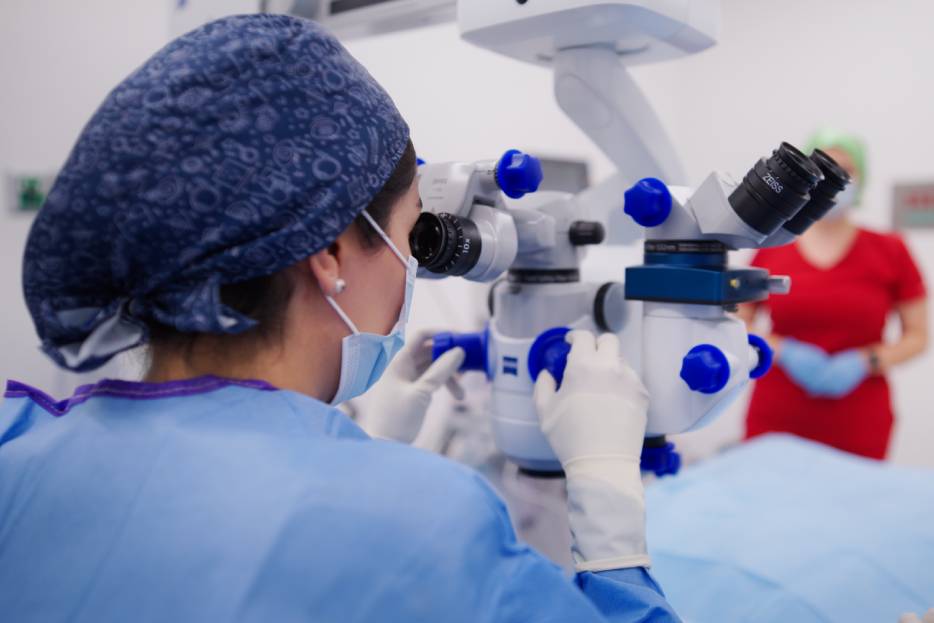
Cataract surgeries are one of the most frequently performed procedures worldwide. It’s designed to remove the natural lens of a patient when it becomes cloudy; in other words, when a cataract develops. The surgery replaces the lens with an artificial intraocular lens (IOL) to restore vision.
Ophthalmologists recommend surgery when symptoms begin to interfere with daily activities, such as reading, driving, working, and recognizing faces. Although cataracts are most common among older adults, they can also result from eye injuries, certain medical conditions, or prolonged exposure to UV radiation.
Some patients need cataract surgery when they have other conditions of the inner eye, such as macular degeneration or diabetic retinopathy. In some cases, cataracts make it hard to diagnose these conditions; therefore, ophthalmologists recommend surgery to treat them properly.
Do I need to consider cataract surgery?
Several factors help determine whether cataract surgery is the right treatment option for you. If you notice any of the following characteristics in your vision, we recommend seeking an evaluation from your specialist before taking the next steps.
- Blurry or cloudy vision that makes it difficult to read or work
- Trouble driving, especially at night
- Increased sensitivity to light
- Difficulty recognizing faces or seeing fine details
- Color appearing faded or yellowed
- Difficulty performing everyday tasks safely and independently
Differences between cataract surgery in Tijuana vs the United States
Surgical procedures are generally similar in both Mexico and the US, but there are important differences in how care is delivered, accessed, and priced. These variations are mainly related to healthcare systems, costs, logistics, and patient experience rather than the surgical technique itself.
Healthcare system differences
In the US, cataract surgeries typically require complex insurance processes, as patients need prior authorizations or approvals depending on their insurance plans. This can sometimes extend waiting times or limit provider options.
On the other hand, in Tijuana, cataract surgery is usually provided through private clinics where patients can access care more directly. Many facilities offer faster scheduling and fewer administrative barriers, especially for international patients.
Technology and surgical standards
Both the US and Tijuana use modern cataract surgery techniques, most commonly phacoemulsification with intraocular lens implantation. However, differences may appear in the type of facility, level of investment in technology, and regulatory environment, depending on the clinic or hospital.
Reputable clinics in both locations need to follow the same medical standards using advanced diagnostic tools and surgical equipment. Therefore, patients need to research high-quality medical centers with experienced surgeons and equipped clinics in both locations to guarantee proper care.
Patient experience
As a result of medical tourism, ophthalmology clinics in Tijuana and other healthcare providers have developed services designed especially for international patients. They offer support from bilingual staff, transportation assistance, and personalized care coordination.
Clinics and medical centers in the US, on the other hand, typically offer services to local patients within established healthcare networks, including a highly structured experience that involves multiple steps.
Cost and accessibility
Cost difference is one of the most relevant factors when choosing between the US and Tijuana. Cataract surgery in the US is generally more expensive and complicated compared to Tijuana due to their systems, insurance structures, and operational costs.
In contrast, cataract surgery in Tijuana is typically more affordable and accessible, as many clinics offer bundled pricing that includes:
- Consultation
- Surgical procedure
- Standard intraocular lens
- Basic follow-up care
Thanks to its affordability and geographic proximity to the US border, Tijuana is an attractive option for patients seeking quality eye care without extensive travel.
Cataract surgery cost in the United States vs Tijuana
The costs of this procedure in the United States and Tijuana can vary significantly depending on the surgeon, facility, region, insurance coverage, and type of intraocular lens. However, many clinics in Tijuana offer cataract surgery at a lower price while providing access to modern technology and experienced ophthalmologists.
To find the best option, it is important to evaluate the options available and compare initial price, expertise, technology, support, and travel-related costs.
Factors that affect cataract surgery costs
Several variables can influence the final price, including:
- Type of intraocular lens
- Diagnostic testing
- Surgical technology used
- Surgeon experience
- Facility fees
- Postoperative care
Why is cataract surgery cheaper in Tijuana than in the US?
Operating expenses, labor costs, facility overhead, and administrative requirements are generally lower in Mexico. In addition, many clinics operate with fewer insurance-related expenses, allowing them to provide competitive pricing for patients seeking treatment abroad.
Currency exchange rates and differences in healthcare infrastructure also contribute to the lower overall cost of care.
Is cataract surgery in Tijuana safe for international patients?
Finding a safe clinic is one of the main concerns among patients considering surgery. Fortunately, several ophthalmology clinics in Tijuana meet international standards and have professionals with extensive training to perform cataract surgery and other vision correction procedures.
In addition to this, leading eye clinics in Mexico utilize advanced tools, modern surgical equipment, and established treatment protocols comparable to those found in many international healthcare facilities.
Nonetheless, patients should do proper research on the clinic of their interest before selecting the best option. Here are some of the key things you should evaluate:
- Verify the surgeon’s credentials
- Research physician experience
- Review patient testimonials
- Check the clinic scheduling system
Benefits of choosing cataract surgery in Tijuana
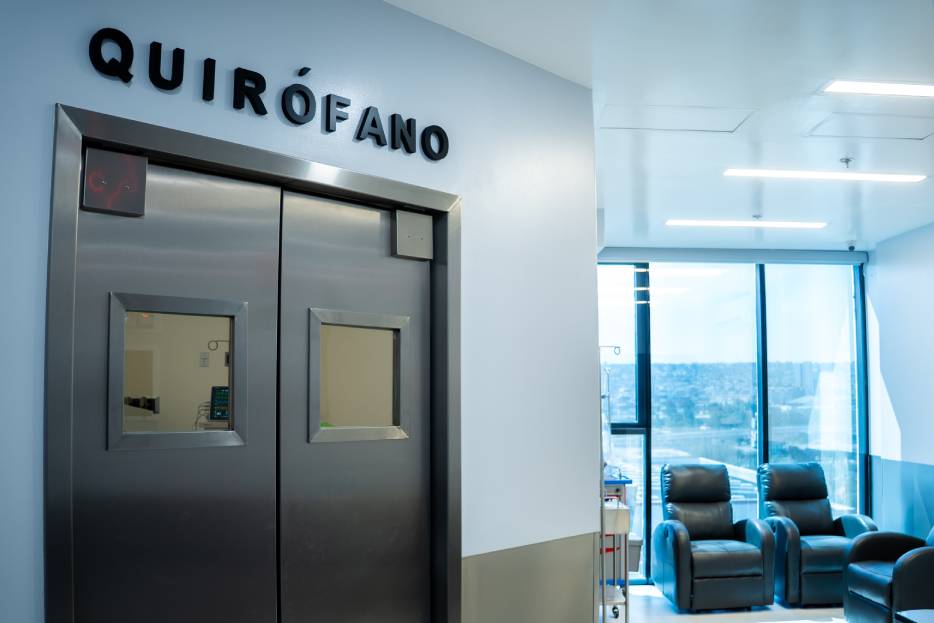
Patients often choose Tijuana for a combination of financial, logistical, and medical reasons. It’s a location that provides several benefits to those who travel for medical care. Some of the most common advantages of undergoing cataract surgery in Tijuana include the following:
- Significant cost savings
One of the most notable advantages is the potential to reduce out-of-pocket expenses compared to treatment in the United States.
- Shorter waiting times
Many clinics can accommodate consultations and surgeries within a shorter timeframe, allowing patients to receive treatment sooner.
- Access to modern ophthalmology technology
Private eye centers in Tijuana frequently invest in advanced surgical systems and diagnostic technology designed to improve precision and patient outcomes.
- Convenient location for U.S. patients
Tijuana’s proximity to the US-Mexico border makes it easily accessible to patients traveling from California and other nearby states.
- Personalized care for international patients
Many providers offer bilingual support, individualized treatment plans, and assistance throughout the medical travel process.
What to consider when deciding between Tijuana and the United States
Before deciding between cataract surgery in Tijuana and the United States, it is important to carefully evaluate several key factors that can impact your overall experience.
- Total cost of treatment
Patients should evaluate all associated expenses, including surgery, medications, travel, lodging, and follow-up visits.
- Availability of follow-up care
Understanding how postoperative care will be managed after returning home is an important part of the treatment planning.
- Insurance coverage and financing
Insurance benefits, reimbursement policies, and financing options may influence the overall affordability of treatment.
- Travel and recovery logistics
Patients should consider transportation, accommodations, and recovery needs before scheduling surgery abroad.
- Personal preferences and comfort level
Factors such as language, familiarity with healthcare systems, and confidence in the chosen provider may also affect the decision-making process.
For patients comparing cataract surgery in Tijuana and the United States, the decision involves more than cost alone. Factors such as surgeon expertise, technology, convenience, follow-up care, and overall patient experience should all be considered.
By thoroughly researching providers and understanding the treatment process, patients can choose the option that best supports their visual health and long-term quality of life.
FAQ’s about cataract surgery in Tijuana and the US
Can I travel back to the United States after cataract surgery?
Many patients can return to the United States shortly after surgery, although surgeons may recommend remaining nearby for a brief observation period, depending on the treatment plan and individual recovery progress.
How do I choose a qualified cataract surgeon in Tijuana?
Look for a surgeon with specialized ophthalmology training, extensive cataract surgery experience, modern technology, transparent communication, and positive patient reviews. Verifying credentials and scheduling a consultation can help patients make a confident decision.
What follow-up care is needed after cataract surgery?
Follow-up care typically includes:
- Postoperative examinations
- Prescription eye drops
- Monitoring of healing progress
- Temporary restrictions on certain activities
These visits help ensure optimal visual outcomes.
Can both eyes be treated during the same trip?
Treatment plans vary depending on the patient’s condition and the surgeon’s recommendations. In many cases, surgeons prefer to treat one eye first and schedule the second eye after evaluating the initial recovery.
How long does recovery take after cataract surgery?
Many patients notice improved vision within a few days, although complete healing may take several weeks. Recovery timelines vary based on individual health factors and adherence to postoperative instructions.