Precision and advanced eye care
Retinal Diseases: Specialized diagnosis and treatment in Tijuana
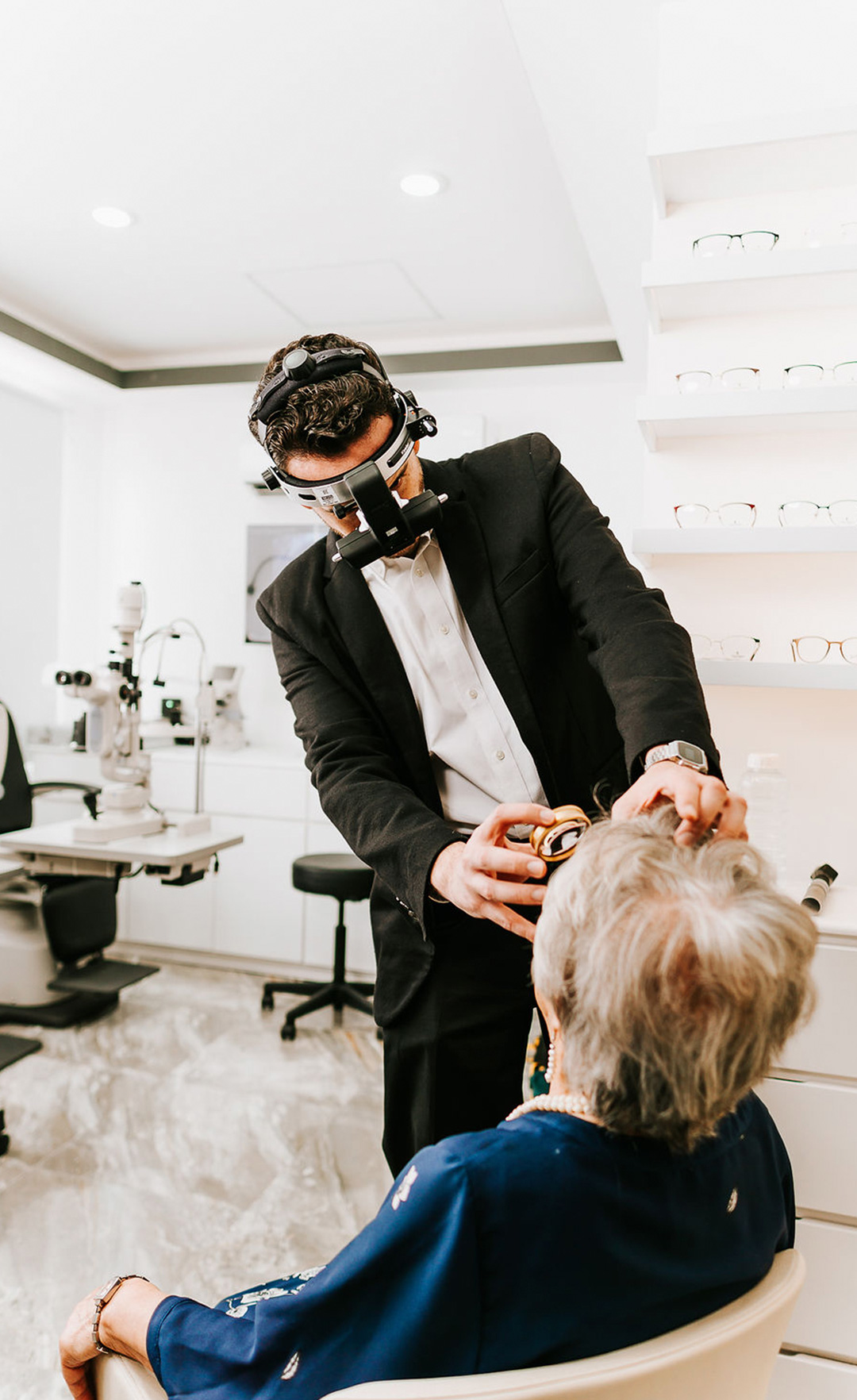
At Clarity Eye Clinic, we have a retina and macula specialist along with state-of-the-art diagnostic technology to accurately detect and treat retinal conditions.
We evaluate and treat conditions such as:
Each diagnosis includes a clear explanation, personalized follow-up, and a treatment plan tailored to your needs.
How diabetes can affect the retina
Diabetic retinopathy
A common complication of diabetes that damages the blood vessels in the retina. It can be detected before symptoms appear — which is why regular eye exams are essential. Treatments include: laser therapy, intravitreal injections, and surgery in advanced cases.
Our professional recommendation is to have a retinal examination as soon as you are diagnosed with diabetes. After that initial evaluation, you should have a check-up at least once a year.
It can be controlled. With proper glucose management and regular specialist visits, many people maintain normal vision for life.
Yes, in some cases different treatments may be required. However, when blood sugar levels are well controlled, fewer eye procedures are usually needed.
Understanding central vision loss
Macular degeneration
A degenerative disease that affects central vision, essential for reading, driving, and recognizing faces. The main risk factor is age — most common after 60, especially with a family history.
Treatment: Macular degeneration can be treated with medication, most commonly through intravitreal injections using next-generation drugs.
Yes. In many cases, its progression can be slowed. In wet AMD, injections can provide excellent results when treatment is consistent
Yes — modern treatments are effective when started early and administered at the right frequency. Stabilization or even improvement is possible.
Yes. The injections are performed by a specialist with extensive experience and under strict safety protocols. All instruments are thoroughly sterilized to minimize any risk of infection. The eye is numbed with anesthetic drops to prevent pain during the procedure.
When the retina detaches, every minute counts
Retinal detachment
This is an ophthalmic emergency, if not treated promptly, it can cause permanent vision loss. Treatment: Specialized surgery is required to reposition the retina in its original place and seal the retinal tears.
Ideally, surgery should be performed within the first few hours of detachment. Early intervention significantly increases the likelihood of visual recovery.
People with myopia, those who have suffered an eye injury, or anyone who has previously had a retinal detachment. Everyone should have an annual eye exam to detect small retinal tears or holes, that could lead to detachment especially those with myopia.
Some patients report seeing flashes of light, a sudden appearance of floaters, or a shadow or loss of part of their visual field. If you experience any of these symptoms, you should have an eye exam immediately.
The goal of the surgery is to reattach the retina and seal the tears that caused the detachment. There are several techniques, chosen according to each case:
- Vitrectomy: The gel inside the eye (vitreous) is removed and temporarily replaced with gas or silicone oil to keep the retina in place.
- Laser or cryopexy (freezing treatment): Used to seal retinal tears and prevent them from reopening.
- Scleral buckle: A small silicone band is placed around the eye to gently press the wall inward, helping the retina stay attached.
In some cases, a combination of these methods is used for better results.
- Anesthesia: Most surgeries are done under local anesthesia, so there is no pain.
- Duration: The procedure typically lasts between 1 and 2 hours, depending on the technique.
- Recovery: In some cases, patients must maintain a specific head position after surgery (for example, face down, sitting up, or on their side).
- Results: The main goal is to save the retina and preserve vision. The degree of visual recovery depends on how long the retina was detached and the overall health of the eye.
Retinal detachment surgery is a delicate procedure, but with today’s advanced techniques, the chances of success are high. Early detection and prompt treatment make all the difference.
Advanced treatments at Clarity
We offer advanced treatments for retina and macula care in Tijuana, supported by state of the art technology and a specialized medical team.
Clarity Eye Clinic
Laser for diabetic retinopathy or retinal tears
When laser treatment is applied to the retina, the goal is to stop the progression of diabetesrelated damage and preserve your vision for as long as possible.
Recovery is quick. During the first few hours after the laser procedure, some glare may occur, making it difficult for the patient to drive. However, vision usually returns to its original state within 5-6 hours.
Pain is minimal, and no special eye drops, dietary restrictions, or rest are required.

Clarity Eye Clinic
Intravitreal injections
They help control the disease by reducing inflammation and stopping the growth of abnormal blood vessels that can damage the retina and affect vision. They are used to treat diabetic retinopathy, macular edema, macular degeneration, or choroidal neovascularization.
Each patient requires a different number of injections. Conditions such as diabetes or macular degeneration usually require several treatments, depending largely on how well blood sugar levels are controlled. These treatments are safe when performed under medical supervision, and each dose is essential to protect your vision in the long term.
No. The eye can be effectively numbed with anesthetic drops, and patients usually feel only slight pressure or minimal discomfort in the treated eye. Most patients can resume their normal activities the following day without any problem.
Science and experience in the service of your vision!
Our advantage at Clarity in the diagnosis and treatment of retinal conditions
At Clarity, we combine state of the art technology with specialized expertise to provide exceptional retinal care:
Minimally invasive retinal surgeries
Digital angiography and angiotomography
Conventional and micropulse laser treatments
A- and B-scan ocular ultrasound
High-resolution OCT (Optical Coherence Tomography)
With this combination of advanced technology and modern techniques, we offer our patients accurate diagnoses and treatments that truly make a difference in preserving vision.
Schedule your evaluation with our retina specialists and protect your vision for the long term.